Arts & Entertainment
From Chicago to the Vatican, New Biography Explores Pope Leo’s Influences and Ministry
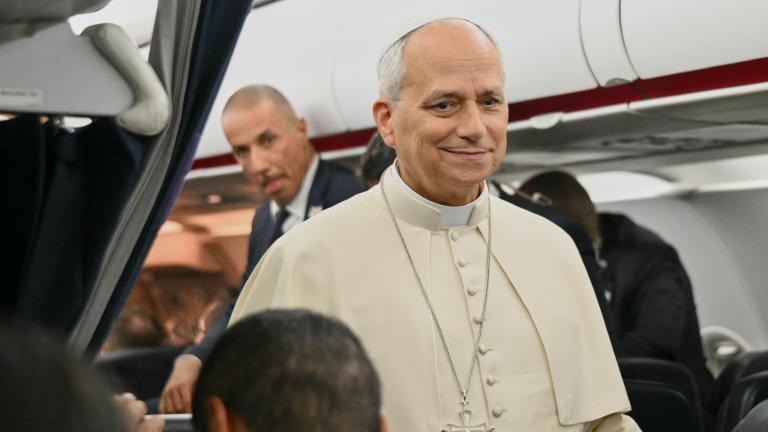
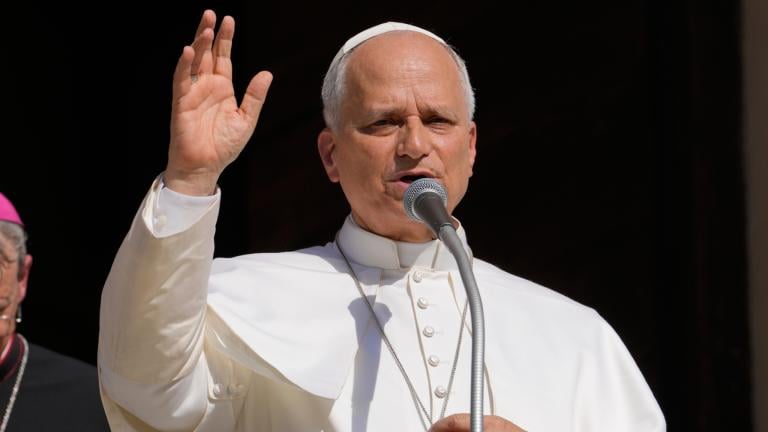
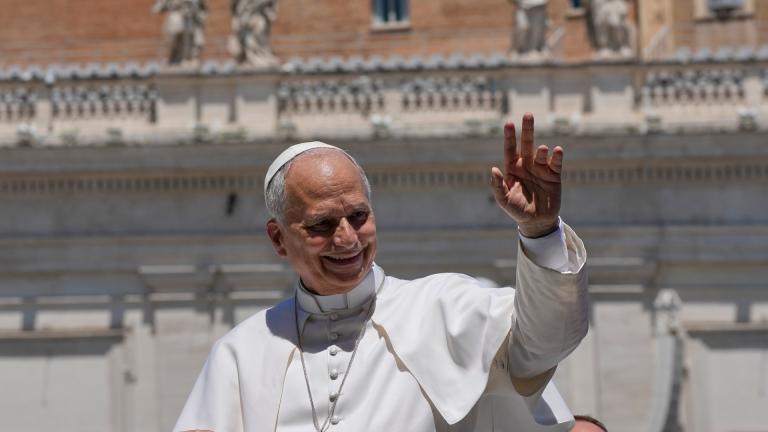
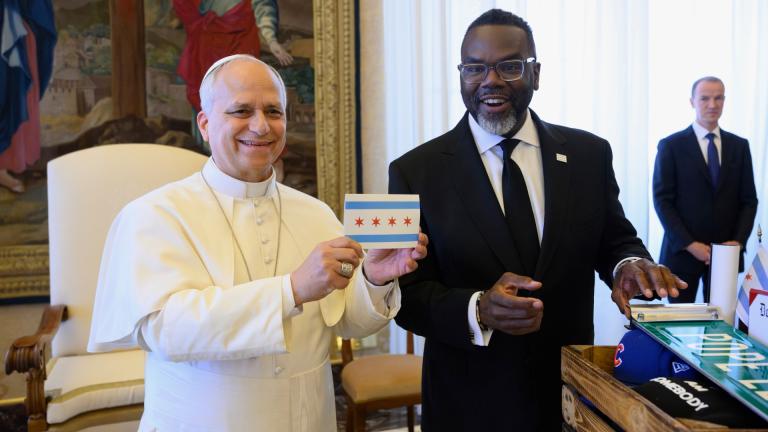
It’s been just over a year since white smoke billowed out of the Sistine Chapel, announcing the election of a new pope. The world soon learned that Illinois native Robert Prevost was chosen.
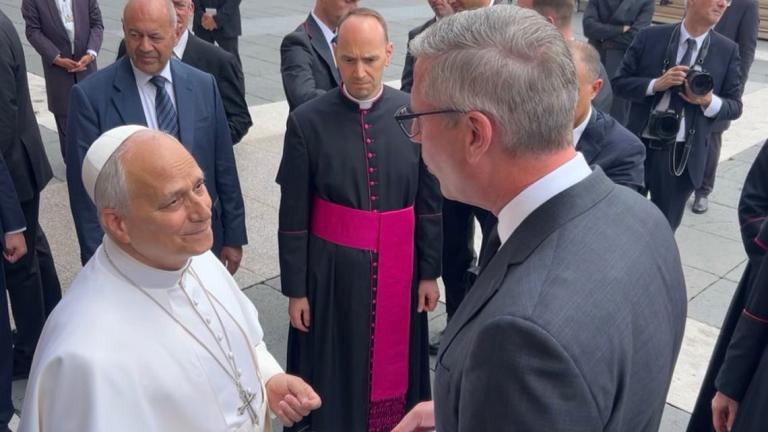
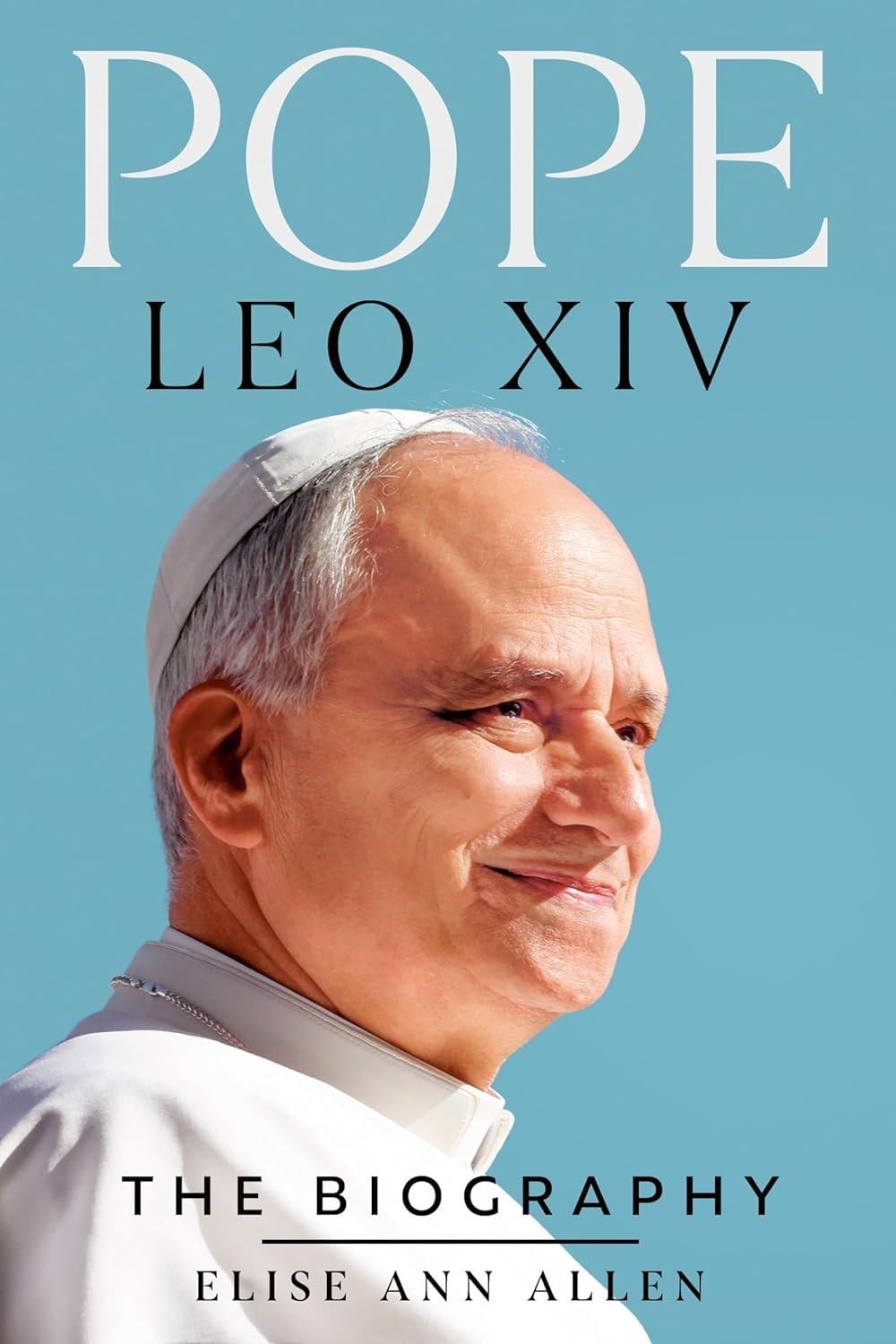
Now, a new biography looks at Pope Leo XIV’s life, his influences and his first months leading the Roman Catholic Church.
The author, Elise Ann Allen, first met Leo — then Bishop Prevost — on a reporting trip in Chiclayo, Peru, in 2018. As a senior Rome correspondent for Crux, a Catholic news outlet, she has met with the pope and those who know him.
“When Pope Francis called (Bishop Prevost) to Rome in 2023, there simply are not that many Americans living and working inside the Vatican, so it was just an occasion to get back in touch with a fellow countryman,” Allen said. “… My husband and I invited him eventually over to dinner.”
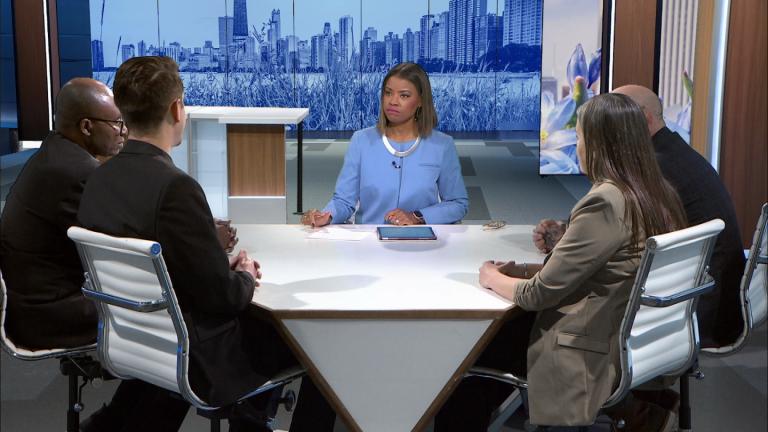
Allen joined “Chicago Tonight” to discuss her book and what to expect from the future of Leo’s papacy.
Read an excerpt from the book below:
A Contemplative Novice: An Age of Change and Adaptation in the Church
During the years that Robert studied at Catholic Theological Union, from 1978 to 1981, there were about twenty-five male religious communities. Sister Dianne Bergant, who spoke with the media after the conclave, recounted her time as a professor at Union for over forty years. The school was called that because various religious communities had closed their own seminaries, and the institution had truly become a “theological union” of different Catholic communities. Among them were the Augustinians, who had a large presence there.1
Sister Dianne remembers having the young Prevost in her Old Testament class and her class on the Pentateuch in his first year, 1978–1979. She spoke about the intelligence Robert displayed in her classes: “He was a very serious student.” She says she still has the exams and grades of all her students, “so when I say he was a good student, I’ve got evidence! . . . He was a very good student, he was an ‘A’ student, and he was always on time, which means he’s reliable, a quiet person, not withdrawn.”2
The majority of students at Catholic Theological Union were candidates for ordination, and many of them belonged to a religious order, which created a strong sense of community. Sister Dianne explained, “You studied together; you prayed together; we had parties together, students, faculty, and staff. There was really a good sense of community in those years, and he was part of it. If he wasn’t, I would have remembered. You remember the ones who don’t participate, and he did.”3
Unlike most Augustinian students at the time, Robert took a different path after graduating. Instead of being sent to a parish in the United States, he was one of the few to go overseas. Sister Dianne says that she stayed in touch with Robert after his graduation and that he was always kind and warm. Even at that time, he had the right disposition for the office of pope, she recounts, spending twenty years among the poor abroad and being so committed to his vocation that he became a citizen of another country. Sister Dianne explains, “You don’t turn that off . . . and that he names himself after Leo XIII, who was the champion of the working class. He’s not the type that will start a fight, but he’s not the type that will run away from it. He will take a stand, and he will call the church to join him in taking the stand.”4
In a similar fashion, Sister Thérèse DelGenio, who was also his professor when he was studying at Catholic Theological Union, told the press that Robert Prevost often took the most difficult tasks in his ministry, such as working with those suffering from addiction. Instead of taking easier jobs available for students at schools or parishes, he decided to work at the parish of St. Victor with a team of lay workers. “These people were trained to learn about drug addiction, alcoholism, and the suffering of the addict as well as the family,” said Sister Thérèse. She added, “They saw his sense of community because of his belonging to the Augustinian community. He is not just local and concerned about the United States; he has a global heart and global vision.”5
REFERENCES
- “‘I Taught the Pope’: Wisconsin Nun Shares Stories of Having Pope Leo XIV in Class as a Seminarian,” WLUK-TV FOX 11, May 12, 2025, YouTube video, 27:34, ***.youtube.com/watch?v=qsztIvz1stg.
- “‘I Taught the Pope.’”
- “‘I Taught the Pope.’”
- “‘I Taught the Pope.’”
- “Nun Who Taught Pope Leo XIV Remembers His ‘Missionary Heart,’ ” WCPO 9, May 9, 2025, YouTube video, 02:27, ***.youtube.com/watch ?v \=Q9ZDR-fq0S8.
Adapted excerpt from Pope Leo XIV: The Biography by Elise Ann Allen. Copyright © 2026 by Elise Ann Allen. Published by Image, an imprint of Penguin Random House Christian Publishing Group, LLC. Used by permission.